


The way shoppers move through the buying journey has shifted (again), and it’s not slowing down. Shopping isn’t just a thing people “do” anymore — it’s something that’s always happening. Whether they’re scrolling TikTok, watching YouTube, searching on Google, or walking through a store, shoppers are constantly engaging with brands.
The reality is that, in 2026, 21.1% of total global retail sales are expected to come from ecommerce, according to eMarketer. That’s a huge slice of the pie, and it shows just how important it is to meet your customers wherever they are.
If you want your brand to thrive, you need to create seamless, engaging shopping experiences across every channel, every moment, and every platform.
Why Brands Need To Stay Ahead of Shopper Spending Behaviors
Shopper spending behaviors are shaped by current economic conditions, tech advancements, and shifting cultural ecommerce trends. What worked for your brand last year — or even last quarter — may not work today.
Staying ahead of these changes isn’t just a nice-to-have. It’s essential if you want to stay in the game. When you understand where and how your customers prefer to spend, you can switch up your strategies to meet them on their terms.
And the stakes are high in 2026. More competition, more tech, and more online shopping mean brands that don’t adapt to consumer wants and needs risk losing relevance — fast.
If you want to succeed, you have to keep your finger on the pulse of what shoppers want, how they shop, and where they’re willing to spend.
8 Ways Spending Habits Have Changed This Year
Spending habits have changed a lot this year due to economic pressures and evolving shopper expectations. Here’s what Salsify’s “2026 Consumer Research” report found.
1. Finances Impact Spending
It’s been a tough year for many shoppers, and their spending habits reflect that reality. Thirty-eight percent of shoppers have cut back on spending in certain product categories, and 39% are comparing prices more carefully before purchasing.
Many (37%) shoppers are seeking lower-priced items, regardless of origin, resulting in the rise of secondhand luxury and fashion shopping. Daily spending has reduced significantly from 21% to 9%, but more than 60% of millennials still purchase something at least once a week.
2. Physical Retail Stores Are the Go-To for Discovering New Products and Brands
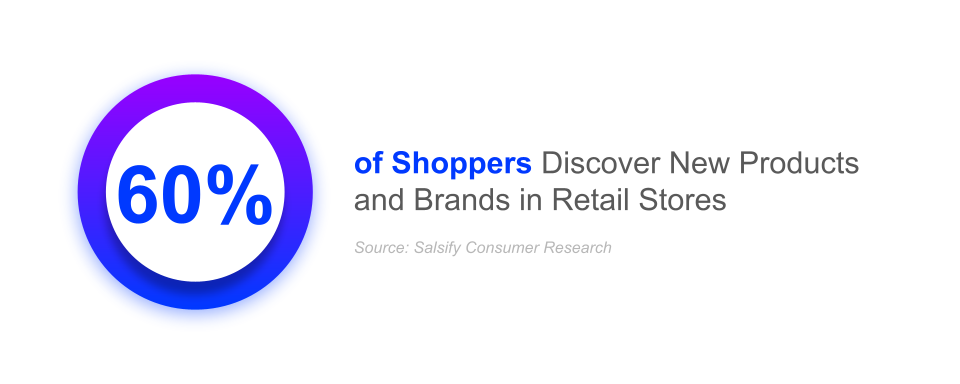
Physical retail stores (60%) have dethroned online marketplaces (57%) by a small margin as the top method for discovering new products.
However, shoppers are still engaging in omnichannel behaviors, with 67% participating in webrooming (researching a product online and buying it in-store) and 53% showrooming (researching in-store and buying online). This means that every touchpoint must be immaculate.
3. Brand Agnosticism Is on the Rise
A majority of shoppers lean brand agnostic. According to research from Salsify and the Digital Shelf Institute (DSI), 72% have opted for a new brand’s product over products from their go-to brands.
Trying new products is tempting for some age groups — especially for millennials (80%) and Gen Zers (76%) — for a variety of reasons. For example, maybe a targeted ad, friend, or influencer was successful in hyping up the product, and they didn’t want to feel FOMO.
The top reason for product swapping, however, is a better price or promotion (55%).
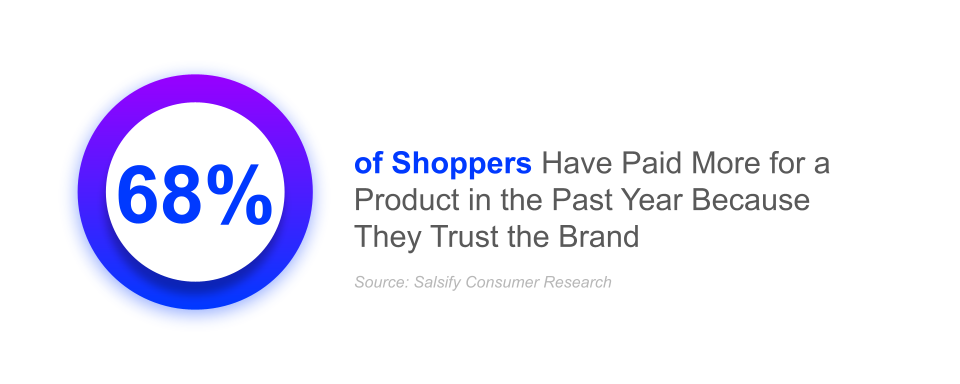
Not all hope is lost: If brands can convince consumers to stick with their products, Salsify consumer research says that 68% shoppers are willing to pay more for products from a brand they trust.
4. Shoppers Are Turning To AI for Product Inspiration
Although many shoppers are hesitant to use AI shopping tools — 33% don’t use them at all — others are starting to warm up to them. Salsify’s “Ecommerce Pulse Report: Q4 2025” reveals that more than half (64%) are using AI shopping tools to discover or research new products.
Twenty-seven percent of shoppers use them, but still feel the need to verify the information with other sources. On the other hand, 41% of millennials trust AI tools more than themselves and are impartial.
One thing remains clear, however: Shoppers expect full transparency from brands on their AI usage.
5. Shoppers Crave Personalized Experiences
Shoppers increasingly desire a more tailored experience. According to Salsify and DSI research, 37% of shoppers say personalized product recommendations encourage them to buy more often.
Salsify consumer research shows that a quarter (25%) of shoppers are willing to make an AI-recommended purchase if there is a personalized explanation for why it fits their needs.
6. Shoppers Do Their Research
Cross-channel research has become the standard. Shoppers are crossing their t’s and dotting their i’s and checking multiple channels before committing to a purchase.
- 52% review two to three channels before buying everyday essentials like food and beverage or household items.
- 54% review two to three channels before buying mid-range items like fashion and apparel, or personal care and beauty.
- 39% review two to three channels before buying big-ticket items like furniture.
Make sure that the info they’re searching for is readily available, or they’ll turn elsewhere.
7. Online Shopping Dominates for Price and Convenience
Why do shoppers choose online over in-store? For most, it’s convenience (64%) and better prices (65%).
But there’s more to the story.
Product content plays a major role in online buying decisions. Twenty-eight percent of shoppers cite better product content, while 30% point to easy comparisons and customer reviews. Personalized recommendations also make an impact, influencing 12% of shoppers.
8. Enhanced Product Content Seals the Deal
When making a final purchase, detailed product content is at the top.
Shoppers rely on clear product titles and descriptions (51%) and high-quality images or videos (61%) to make decisions. But it doesn’t stop there. Enhanced content — like comparison charts, feature tours, and interactive videos — drives results, with 37% of shoppers finding it particularly helpful.
How To Stay Ahead of Shopper Concerns
Just knowing what new shopping behaviors are at play isn’t enough. You need to meet customer demand in multiple ways to get ahead and stay ahead.
Here’s how you can make sure 2026 is successful.
Be Visible on Passive Discovery Channels
Your audience isn’t always actively shopping, but they are always discovering.
To meet them where they are, show up on the channels they use the most. That means creating and sharing engaging content in the form of Instagram Stories and Reels, running ads on YouTube, and exploring emerging platforms where your target shoppers hang out.
Start by analyzing where your audience spends their digital downtime. Then, create content that blends in with their experience on those platforms.
For example, quick tutorials, behind-the-scenes videos, and entertaining short-form content are perfect for Instagram. On YouTube, try in-depth product demos or storytelling campaigns that highlight how your brand fits into their daily lives.
Build Complete Product Pages
Your product pages need to be ready to close the deal if you want to capture shoppers in buy mode.
A “complete” product page goes beyond the basics of a title and description and answers every question a shopper might have. Include high-quality images from multiple angles, videos showing the product in action, detailed descriptions, and FAQs addressing common concerns.
Don’t forget the extras. Enhanced content like comparison charts, feature highlights, and customer reviews builds trust and helps shoppers make confident decisions.
Prioritize Value
With budgets tighter than ever, shoppers are looking for brands that help them stretch their money further.
You can make their choice easier by offering real value through your promotions and products. Consider bundling items into little packs of value or offering discounts on bulk purchases.
Loyalty programs are another win-win. Rewarding repeat purchases with exclusive discounts or perks helps your customers save money and also builds long-term relationships with them.
Build Relationships With Relevant Influencers
Influencers are trusted voices in your shoppers’ lives, and they can help you build credibility and drive sales.
Start by identifying influencers who align with your brand values and audience. Look for authenticity over follower count. A smaller, engaged audience often delivers better results than a massive but disengaged one.
Once you’ve found the right influencers, collaborate on content that feels genuine. Let them showcase how they use your products in their everyday lives, or ask them to create tutorials, unboxings, or reviews.
Welcome to the ‘Always On’ Era of Shopping
Shopping today is everywhere, all the time.
For the always-online crowd, every scroll, swipe, or click can lead to a purchase, even if they don’t set out with shopping in mind. At the same time, shoppers are still hitting physical stores or digital shelves when they want to make intentional purchases.
For brands, this means endless opportunities to connect. Whether it’s a casual moment on social media or a more focused trip to a store, you have more chances than ever to catch someone’s attention, build trust, and turn interest into loyalty.
The brands that will thrive in 2026 are the ones that understand their unique strengths, actively broaden their reach, and stay completely focused on meeting the needs of their customers.

2026 Consumer Research
Download Salsify’s latest consumer report to explore more consumer buying habits set to take 2026 by storm.
DOWNLOAD REPORT.svg)
