


Shoppers aren’t spending like they used to, and it’s not because they don’t want to.
According to data from Salsify’s “2026 Consumer Research” report, a growing number of shoppers admit to being more selective about the brands they buy from, and many point to trust and “perceived value” as deciding factors.
In other words, people aren’t defaulting to the cheapest option. Instead, they’re on the hunt for the safest bet.
“Shoppers are increasingly shifting from transactional to holistic value — where emotional drivers like consistency, relevancy, and experience are equally as important as traditional levers like price and quantity,” says Tony Ciresi, SVP, client growth at Acosta Group — a collective of leading retail, marketing, and foodservice agencies.
That’s not to say budget-conscious shoppers are abandoning brands altogether, but they are sidestepping ones that make them work too hard to understand the quality and value.
Learn why shoppers are becoming more selective, what’s actually influencing buying decisions right now, and how brands can adapt without racing to the bottom on price.
Why Are Shoppers Being More Selective?
Right now, every purchase feels a little bit riskier.
Economic uncertainty has made shoppers way more cautious and far less willing to impulse buy — and the data shows it.
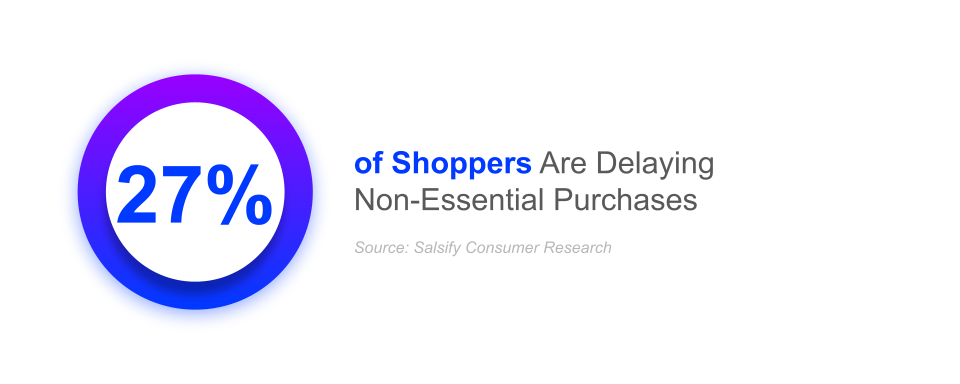
Nearly four in 10 shoppers (39%) say they’re comparing prices more carefully before buying, while 38% have reduced spending in certain product categories altogether. Couple that with the 27% delaying non-essential purchases, and it’s clear impulse buying has taken a back seat.
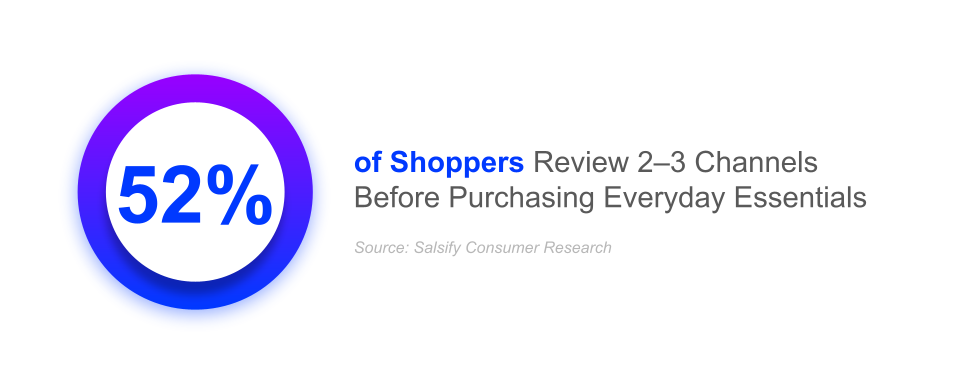
The uncertainty is also changing the way people evaluate the brands they buy from. Shoppers aren’t automatically defaulting to familiar names anymore. Most shoppers now review two to three channels before even buying everyday essentials (and that number climbs fast for higher-priced items).
If they can’t immediately see value or credibility, they have no qualms about moving on ASAP.
That's where brand agnosticism creeps in. Loyalty is incredibly fragile when it’s weighed down by inconsistent product info, thin reviews, and vague claims. This shift puts even more pressure on brands to earn trust earlier — often before price even enters the conversation.
5 Strategies for How To Reach More Considerate Shoppers
Today’s shoppers think before they buy, especially when money feels tighter. Here are a handful of ways you can meet them where they are.
1. Make Value Clear Before Shoppers Start Comparing Prices
Most shoppers don’t land on a product page and immediately ask whether it’s the cheapest option. They’re asking something much simpler, albeit harder to answer. They’re asking, “Is this worth it?”
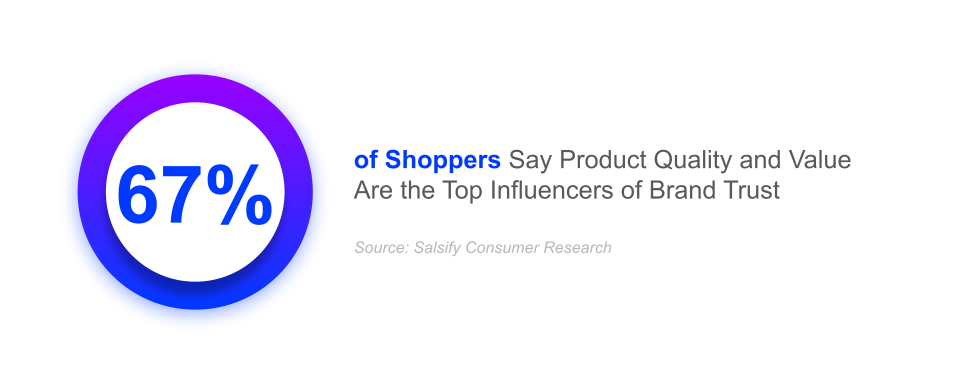
Salsify’s latest research found that 67% of shoppers say quality and value are the biggest drivers of brand trust, outranking brand reputation, customer experience, and, yes, competitive pricing.
Price still matters, but it’s rarely the first filter anymore.
Shoppers are instead defining value through other factors, including:
- Durability and longevity (54%)
- Customer reviews and ratings (47%)
- Brand reputation (45%)
That means value has nothing to do with clever pricing tactics.
“Value-driven campaigns and activations should go beyond simple discounts,” Ciresi says. “Brands that blend affordability with experience, relevance, and trust will not only boost sales, but also reinforce brand equity and foster long-term loyalty.”
When describing your product, make sure you’re explicit with certain information:
- Who is it actually for (and who isn’t it for)?
- What real-world problem does it solve?
- Why should someone choose your product over a cheaper, more familiar alternative?
Tip: Lead With Benefits and Outcomes
On product detail pages, lead with benefits and outcomes rather than feature lists, and spell out the trade-offs. Use visual elements like comparison charts and “best for” framing to guide decisions instead of making shoppers do the math themselves.
2. Use Real Evidence To Prove the Quality of Your Products
Budget-conscious shoppers don’t take brands at their word. If you say something is “high quality,” they expect you to back that up, or they’ll simply go another direction.
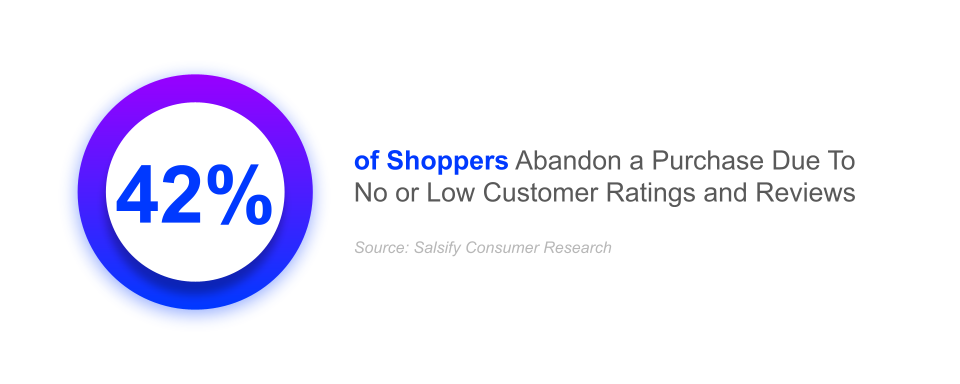
In fact, 38% of shoppers abandon a purchase when product information is inconsistent across websites, and 42% walk away when ratings or reviews are missing or negative.
In this context, it becomes increasingly clear that uncertainty kills the sale more than anything else.
So what’s the solution? It really comes down to having strong product content do the heavy lifting for you.
Shoppers consistently point to product images and videos, pricing and availability, and customer ratings, reviews, and user-generated content (UGC) as the most helpful parts of a product page.
The fix here is better evidence.
“Authentic testimonials, photos, and reviews from real shoppers help your brand stand out from a sea of corporate claims,” Ciresi says.
Tip: Keep Content Clear and Cohesive
Standardize product content across every channel, surface review, UGC, and real-world use cases, and put them at the forefront of your marketing. Clearly show materials, warranties, and what long-lasting actually means for your product.
3. Build Trust Before the First Purchase
For a long time, brands treated trust like something that could be earned after checkout through loyalty points and perks. But that’s not how consumers think anymore. Today, trust starts the moment someone finds your product, and Ciresi says that your marketing campaigns and strategies must integrate with shopper psychology.
“Clearly address your target market’s needs, audit every consumer touchpoint, and ensure your brand delivers emotional value, not just transactional savings. Especially in price-sensitive markets, relevance and reassurance often matter as much as savings.”
— Tony Ciresi, SVP Client Growth, Acosta Group
According to the “2026 Consumer Research” report, 68% of shoppers say they’ve paid more in the past year simply because they trusted the brand, and that willingness is especially strong among Gen Zers and millennials. For these groups, trust can often override price sensitivity.

So what actually builds trust before the first purchase?
It usually boils down to a mix of brand reputation, how reliable the experience feels, and the quality of product content itself. These are what make up the core trust signals for today’s budget-conscious shoppers.
Tip: Honesty Is the Best Policy
Tighten up the basics by eliminating any mismatched product content across marketplaces and retail partners. Be upfront about shipping costs, return policies, and availability.
4. Make It Easier For Shoppers To Choose
Selective shoppers usually aren’t overwhelmed by too many options (although that can definitely be an issue). It’s often because they don’t feel confident making the right choice.
When money’s tight, making the wrong call can feel very expensive. So instead of rushing, they double- and triple-check options, reviews, and other product details for good measure.
The research shows just how much work they’re putting in. To reiterate, 52% of shoppers review two to three channels even when buying everyday essentials. That number is even higher in the U.S., where 56% of shoppers look at four or more channels before committing.
“With the rise of AI-supported shopping, proactively manage your brand’s presence across all channels,” Ciresi says. “Clearly articulate the value and solutions you offer, so when consumers ask their favorite AI platform for recommendations, your brand is prioritized.”
Tip: Comparison Can Sometimes Bring Joy
Do side-by-side comparisons that explain real differences and include guided recommendations that remove some of the mental load. This is also where AI and agentic commerce can be handy. Tools can be a great way to help shoppers compare and narrow down options. But again, your product content needs to be consistent for this to work.
5. Reassure Shoppers After They Buy
The buying decision doesn’t end at checkout – at least, it doesn’t for budget-conscious shoppers. In many ways, that’s when the real judgment starts. They’re asking themselves whether they made the right call and if it was actually worth it.
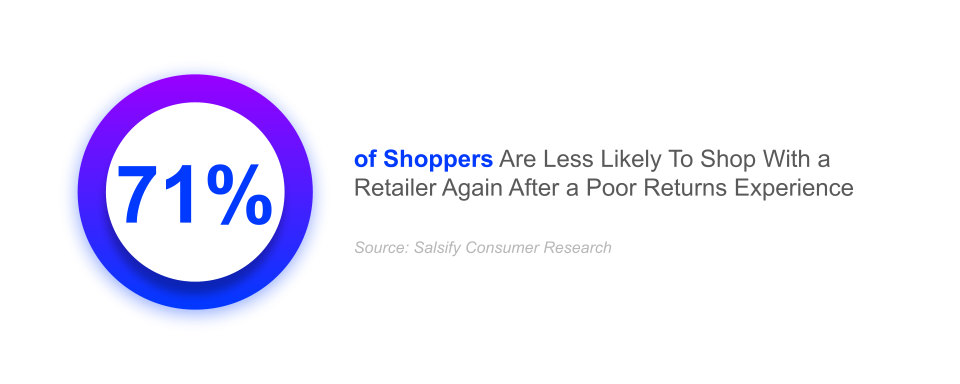
The data shows how fragile that moment is. Forty-five percent of shoppers say they’ve returned a product because the content didn’t match reality, and 71% are less likely to shop with a retailer again after a poor returns experience.
Use the precious post-purchase window to reinforce value before you go straight in with the next offer. This is the moment to remind shoppers why they chose your product in the first place.
Tip: Prioritize the Problem Solved
Show how the product solves the problem they bought it for. Share tips, care instructions, or help them get set up. Encouraging reviews and UGC also play a role here in helping shoppers validate their choice.
Trust Is What Gets Shoppers Over the Line
Budget-conscious shoppers have always been choosy, but they seem more invested than ever in finding the best fit. That means price alone isn’t enough to win them over anymore. Sure, discounts might grab their attention in the first place, but it’s trust that closes the sale.
“ ... Brands, retailers, and operators that truly understand their consumers, redefine value beyond price, and double down on what makes them unique will turn relevance and experience into loyalty,” Ciresi says.


2026 Consumer Research Report
Discover how modern shoppers are making decisions and what actually builds trust along the way in Salsify’s latest report.
DOWNLOAD NOW.svg)
