


This year, Digital Product Passports (DPPs) will become mandatory across the European Union, initially rolling out to categories such as apparel, electronics, batteries, and other high-impact goods.
At a basic level, a DPP is a digital record tied to an individual product that makes key information, like materials, origin, durability, repairability, and end-of-life options, easy to access and verify. Think QR codes on labels or packaging that show a product’s full backstory.
It’s easy to view this as just another compliance hurdle, but that would be a missed opportunity. In reality, DPPs give brands something they’ve struggled to offer consistently at scale: standardized, trustworthy product information. And that matters more than ever.
According to Salsify’s “2026 Consumer Research” report, shoppers are increasingly selective, cross-checking details across multiple channels and abandoning purchases when information is inconsistent or unclear.
DPPs help solve that problem by creating a single, verifiable source of truth, rather than relying on marketing claims or vague sustainability language, but rather on concrete product data that consumers can trust.
What Is a Digital Product Passport (DPP)?
A Digital Product Passport (DPP) is a digital record attached to an individual product.
It stores verified, factual information like what a product is made from, where it comes from, how long it’s designed to last, how it can be repaired, and what to do with it at the end of its life.
What You Need to Know About the Timeline and Rollout
DPPs will start rolling out across the European Union in 2026, with a phased approach by product category.
The first groups in scope include:
- Apparel and textiles;
- Electronics;
- Batteries; and
- Furniture and other durable goods.
Note that you don’t need to be based in the EU to be affected. DPP requirements will still apply if you sell products into the EU market.
From a regulatory standpoint, DPPs aim to create a more circular economy with less waste, more reuse, better repair, and longer product lifespans. They make it easier for products to live more than one life instead of heading straight to the landfill.
But there’s a real business upside, too. Industry experts believe DPPs could double the lifetime value of products by supporting resale, refurbishment, and extended use.
Where Digital Product Passports Step In To Build Trust
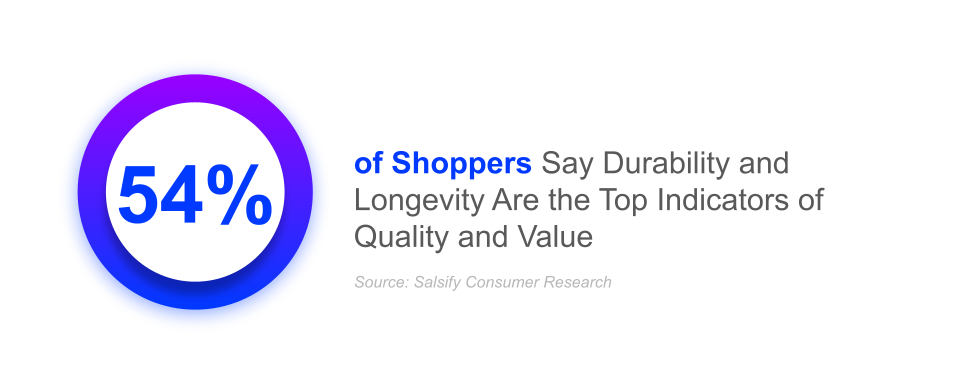
When shoppers say a product feels “high quality,” they’re looking for very specific signals. According to Salsify’s “2026 Consumer Research” report, 54% of shoppers say durability and longevity are the top indicators of quality and value. Close behind are positive customer reviews (47%), brand reputation (45%), and transparent ingredient or material lists (39%).
Other trust-building signals include:
- Product origin (36%);
- Competitive pricing (35%);
- Warranties or money-back guarantees (32%); and
- Certifications like organic, cruelty-free, or fair trade (31%).
What’s striking is how cleanly these expectations line up with what Digital Product Passports are built to contain. DPPs formalize the exact information shoppers already use to judge whether something is worth buying (and keeping).
Modern Shoppers Look for Verifiable Information
Shoppers don’t take product information at face value anymore — they verify it. In fact, 67% of shoppers research products across multiple channels, and inconsistent product information is still one of the top reasons people abandon purchases.
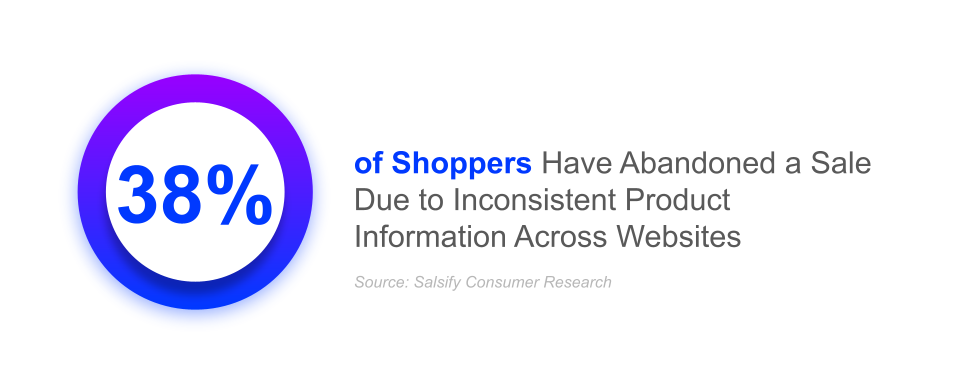
Even in 2026, 38% of shoppers say they’ve walked away because product information didn’t match across websites, while 34% cite incomplete or poorly written descriptions as a dealbreaker, according to Salsify research.
And the damage doesn’t stop at checkout. Forty-five percent of shoppers have returned a product in the past year because the product content was incorrect, with images or descriptions not matching what actually arrived.
Once trust is broken, it’s hard to win back, with 71% of shoppers saying they’re less likely to shop with a retailer again after a poor return experience, according to the National Retail Federation (NRF).
DPPs help close this gap by acting as a single, verified source of truth. Shoppers have more peace of mind when the same product data follows an item everywhere it’s sold or resold.
Why This Matters Even More in The AI-Influenced Shopping Era
AI is quickly becoming part of how people shop, but trust is still conditional. While 22% of shoppers now use AI tools to research products, only 14% say they fully trust AI recommendations without verifying elsewhere.
Most shoppers still cross-check details before buying. So what actually makes people trust an AI recommendation enough to convert?
The top drivers of AI trust are:
- Detailed product descriptions and specifications (31%);
- Brand recognition (27%);
- Personalized explanations (25%); and
- Customer reviews (25%).
In other words: AI only works when it’s backed by solid, reliable product data. DPPs provide structured, authoritative information that supports both human trust and machine trust. Basically, better data leads to better AI recommendations.
Why DPPs Will Be the New Proof of Quality
As shoppers grow more skeptical of claims and star ratings alone, DPPs are emerging as a new, more credible way to prove product quality.
Shoppers Look Beyond Star Ratings
For a long time, star ratings have been the measure of a product’s quality. They still carry weight, but shoppers are far from blindly trusting them. Reviews are subjective by nature, can be outdated, and don’t always tell the full story. Despite 47% of shoppers saying positive reviews help signal quality, even more shoppers rank objective factors higher, like durability and longevity (54%) and brand reputation (45%).
Instead of opinions, DPPs provide verifiable proof points: confirmed materials, confirmed origin, and confirmed durability or warranty claims. They become the credibility layer underneath the star ratings.
Think of it this way: Reviews explain how a product performs, while DPPs confirm whether it was built to perform well in the first place.
Transparency Is a Competitive Advantage
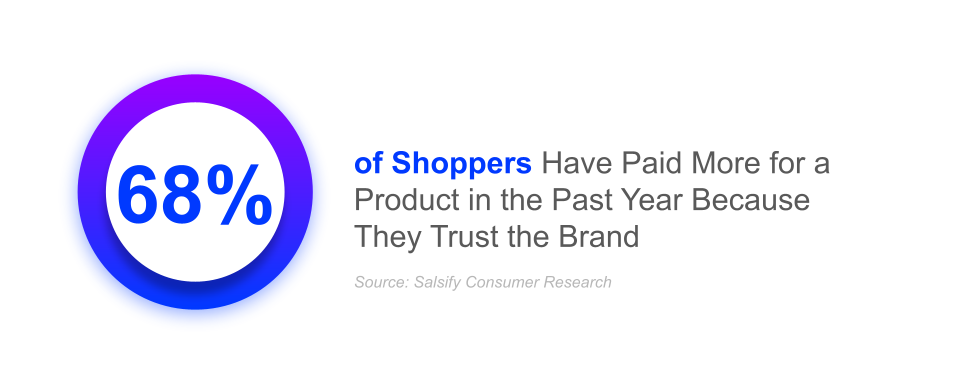
According to the consumer report, 68% of shoppers have paid more for a product in the past year because they trusted the brand, and that number jumps to 81% for Gen Z and 78% for millennials.
What builds that trust? Product quality and value top the list, influencing 67% of shoppers, followed closely by brand reputation (63%) and high-quality product content (43%).
Transparency plays a direct role here: 39% of shoppers say transparent ingredient or material lists signal higher quality, and 31% look for certifications to validate brand claims.
DPPs allow brands to put that transparency front and center. When shoppers can clearly see what they’re buying and why it’s worth the price, they’re more likely to buy, return less often, and come back again.
Secondhand Shopping Is on the Rise
The report shows that one in five shoppers now buys secondhand or from resale platforms more often, driven largely by affordability and value.
DPPs make resale work better for everyone by keeping key information attached to the product over time. This increases confidence for secondhand buyers and extends the useful life of the product.
Supporting resale and repair doesn’t have to mean losing control of the customer relationship. Brands that embrace DPPs early can stay connected to their products long after the first sale, participate in circular ecosystems, and reinforce quality and trust long after checkout.
Why Accurate Product Content Is the Foundation of DPP Success
DPPs only work as well as the product data behind them, which makes accurate, up-to-date content the real foundation of DPP success — here’s how.
DPPs Expose Weak Product Data
It’s really hard to verify vague sustainability claims and outdated specs, which is exactly what DPPs do. The weaker your product data is, the harder it’ll be to, firstly, comply with these new rules and, secondly, build trust with customers.
Consistency Across Touchpoints Is Still Really Important
Shoppers don’t experience products in neat, linear journeys anymore. They bounce between physical stores, marketplaces, brand websites, AI search tools, and resale platforms, often all for the same product.
That means DPP data can’t live in a silo. It needs to line up everywhere a product shows up, from product detail pages (PDPs) and marketplace listings to in-store QR codes.
DPPs Need a Single Source of Truth
The brands that handle DPPs well will have centralized, structured product data systems that act as a single source of truth. That foundation makes it easier to keep information accurate, up to date, and aligned across channels.
And this isn’t only about passing audits. Clean, reliable product data leads to better shopping experiences everywhere, including clearer PDPs, stronger AI recommendations, fewer returns, and more confident buyers.
How To Turn DPPs Into a Brand Building Asset
When brands treat DPPs as more than a requirement, they become a real opportunity to build credibility and stand out.
Here’s how you can take advantage of that.
Treat DPPs As a Customer Experience Layer
The brands that get the most value from DPPs won’t treat them as background infrastructure. They’ll treat them as part of the customer experience.
Think QR codes shoppers can scan in-store or online to instantly access the full picture: what the product is made from, how to care for it, how long it’s designed to last, and what to do with it when they’re done.
Align Sustainability, Trust, and Commerce
Sustainability often feels abstract to shoppers. There are a lot of big claims, vague promises, and hard-to-verify impacts. DPPs change that by making sustainability specific and concrete. Instead of saying a product is “responsibly made,” brands can show exactly why through materials, sourcing, certifications, repairability, and lifespan.
That transparency builds trust. When shoppers can clearly see what makes a product worth buying (and, more importantly, worth keeping), sustainability becomes a core part of the value proposition.
The Real Opportunity Starts After Compliance
Meeting DPP requirements will be table stakes for selling into the EU market. But compliance alone won’t move the needle. The real differentiation comes from how brands use DPPs to make shopping easier and more confident by reducing friction, answering questions upfront, and supporting longer product lifecycles through repair and resale.
The big shift to understand now is this: Digital Product Passports will change how trust is earned, and the brands that recognize that early will be the ones shoppers stick with in the long run.


2026 Consumer Research Report
Want the full picture behind the data? Download the complete “2026 Consumer Research” report to dig deeper into how shoppers define quality, build trust, and make buying decisions.
DOWNLOAD NOW.svg)
