


If you're a global brand with eyes on the U.K. market, or already selling there and wondering why some campaigns work and others don't, the answer is often timing.
Shoppers buy when something feels relevant to them.
Get the timing or the context wrong, and even the greatest product in the world won’t sell the way you expect it to.
This guide breaks down the U.K. ecommerce holiday calendar season by season, pulls in real shopper data to show what U.K. consumers actually want and when, and explores how modern product experience management (PXM) tools can make localizing for this market faster and less painful than you might think.
Why the UK Market Deserves Its Own Playbook
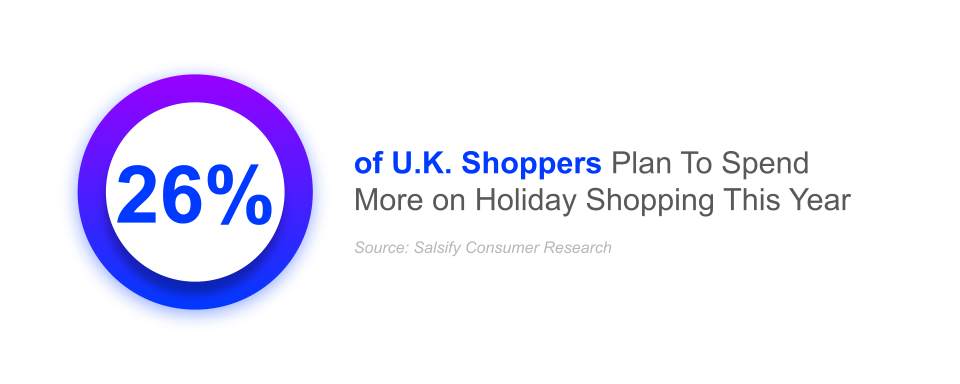
According to Salsify's “2026 Holiday Pulse Report,” U.K. shoppers are the most likely of any market surveyed to increase their spending this year, with 26% planning to spend more than last year. Half plan to shop on Cyber Monday, and 39% will do at least some of their Black Friday shopping online.
There’s also a difference in what U.K. shoppers buy. They tend to over-index on personal care and beauty and food and beverage gifts compared to their U.S. counterparts, who lean heavily toward electronics and apparel.
Then there's the calendar itself. The U.K. has different holidays and celebrates familiar ones on different days. Mother's Day falls in March, Boxing Day is one of the biggest shopping days of the year, and Bonfire Night is a totally U.K. holiday.
The UK Ecommerce Calendar, Season by Season
Here’s a breakdown of winter, spring, summer, and autumn holidays ripe for campaign planning in the U.K.
Winter/New Year (December–February)
-
Hanukkah (dates vary): In the U.K., mainstream retail tends to skip generic "Happy Holidays" campaigns; if you do plan a campaign for Hanukkah, vie for marketing that’s distinct, targeted, and focused on family gifting.
-
Christmas (Dec. 25): Largely familiar ground for U.S. brands, although U.K. shoppers are up to 9% more likely to give food and beverage gifts and 8% more likely to give alcohol gifts than their U.S. counterparts.
-
Boxing Day (Dec. 26): Historically a day for giving gifts to tradespeople and household staff, it’s now one of the biggest retail days of the year, with shoppers hunting post-Christmas deals both in-store and online.
-
New Year’s Eve and New Year’s Day: Similar to the U.S., U.K. brands use this as a time to market a “fresh start” for consumers, particularly in the food, beverage, health, and wellness verticals.
-
January sales: Kind of an extended Boxing Day, where shoppers are still deal-hungry, still browsing, and still very willing to spend.
-
Valentine’s Day (Feb. 14): Runs much the same as elsewhere, with personal care products, food and beverage, and alcohol brands doing well at this time.
Spring (March–May)
-
Mother’s Day (or Mothering Sunday): Falls on the fourth Sunday of Lent, typically in late March.
-
Passover (dates vary): U.K. Passover celebrations center heavily on spring updates, home gatherings, and strict kosher dietary needs. Brands can feature Passover-compliant goods and highlight products built for family celebrations.
-
Easter (dates vary): Chocolate and confectionery are obvious players during this holiday, but food and beverage brands, along with home goods, tend to get a lot of love too. British Easter traditions lean into home gatherings and gifting, so anything that fits that occasion (e.g., table decor, hampers, bakeware, etc.) is fair game.
One thing to note for U.S. brands specifically is that there’s no U.K. equivalent to Memorial Day weekend sales. That late-May promotional window simply doesn’t exist across the pond.
Summer (June–August)
-
Father’s Day (third Sunday in June): Aligns with the U.S. version of the holiday, so existing campaigns travel well with light localization.
-
Back to school: The U.K. runs on a three-term academic year, with the summer term ending in late July and the new school year starting in early September. Back-to-school shopping starts in August (similar to the U.S.), but without the tax-free holiday promos.
-
Summer bank holidays: Scattered through May and August, these are lower-key events from a retail perspective, but outdoor, sports, and garden brands can get a good bit of traction here (particularly if the weather cooperates).
Autumn (September–November)
-
Halloween (Oct. 31): In Scotland, Ireland, and parts of Wales, it’s also Samhain, the ancient Celtic festival marking the end of harvest season and the beginning of the darker half of the year. Halloween has grown as a commercial event in the U.K. over the past 20 years, but the cultural texture is a bit different from the U.S. Rather than defaulting to an American-style Halloween aesthetic, lean into the folklore and seasonal atmosphere of the day.
-
Bonfire Night (Nov. 5): Also known as Guy Fawkes Night, this is a significantly British occasion on the calendar, and is marked by fireworks, bonfires, and outdoor gatherings.
-
Cyber Week (same as the U.S.): Shoppers are deal-driven during this window and are hungry for a good bargain.
What UK Shoppers Actually Want By Vertical
Knowing when to show up is half the battle. Knowing what U.K. shoppers are actually buying and what they want to see during these seasonal events is the other half.
The holiday pulse report gives us a clear picture of which product categories U.K. shoppers are most likely to buy as gifts, with some clear patterns emerging when you map that data against the seasonal calendar.
‘Posh’ Fashion and Apparel Gifts Are Shoppers’ Top Option
Fashion and apparel is the joint top gifting vertical in the U.K. (51%), with opportunities spanning the entire calendar. Valentine’s Day, Mother’s Day, Christmas, and Boxing Day are all fruitful occasions for clothing brands.
One thing worth noting is that U.K. shoppers tend to favor quality and understated style over trend-chasing, so messaging that leans into craftsmanship, longevity, or occasion-dressing will generally do better than hype-driven campaigns.
Shoppers Luxe Looks Carry Over to the Dressing Table With Personal Care Gifts
Personal care and beauty is tied with fashion and apparel at the top of the U.K. gifting chart (also 51%). From Valentine’s Day gifting to Mother’s Day hampers to Christmas stocking fillers, there’s plenty of opportunity throughout the year.
Buyers Imbibing and Vibing With Food and Beverage, Alcohol Gifts
Next comes food and beverage (47%) and alcohol (39%). As mentioned before, U.K. shoppers are more likely to gift these products than U.S. shoppers. The gifting culture around food in the U.K. is strong — think Christmas hampers, Easter chocolate, Bonfire Night treats, and bottles of wine or whiskey as a default for hosts and hard-to-buy-for relatives.
UK Electronics Buyers Vie for Upgrades, Not Just ‘Tech for Tech’s Sake’
Electronics sits lower down the gift list in the U.K. (38%) than in the U.S. (46%). The two strongest windows are the back-to-school shop and Christmas, but the U.K. appetite for electronics gifting is more selective. Products that solve a clear need or offer an upgrade tend to do better than tech for tech’s sake.
An Honorable Mention for Cozier Abodes With Furniture and Home Goods Gifts
The holiday pulse report doesn’t put furniture and home goods anywhere near the top of the gifting charts, but it has its own seasonal rhythm in the U.K. British homes take Christmas decorating seriously.
There’s a strong tradition of seasonal styling, from Advent wreaths to carefully curated table settings. Spring also brings a natural urge to refresh after Easter, when the longer days and the (optimistic) prospect of warmer weather tend to prompt shoppers to update their homes.
How Product Discovery Happens in the UK and What That Means for Your Content
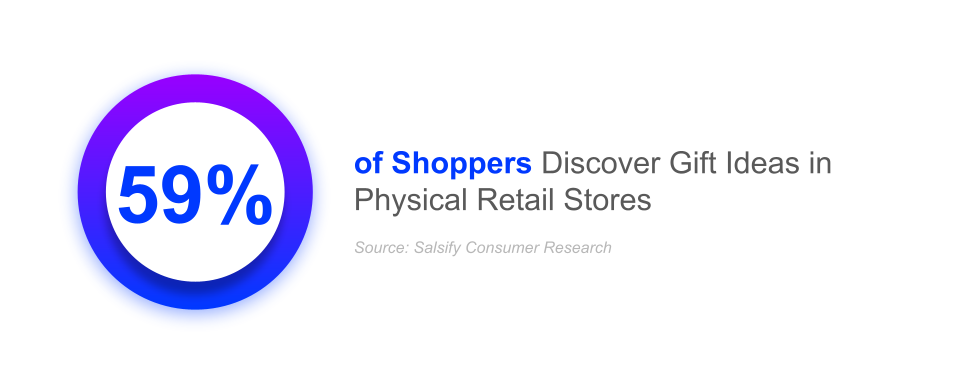
According to the “2026 Holiday Pulse Report,” physical retail is still the dominant discovery channel, with 59% of shoppers finding gift ideas in-store. That number is a useful reminder that a strong digital presence and a strong physical shelf presence aren’t mutually exclusive.
Online, 66% of U.K. shoppers purchase through online marketplaces, with Amazon U.K. and John Lewis among the key platforms to have a presence on. A further 34% shop directly through retail websites, which means your own product pages matter just as much as your marketplace listings.
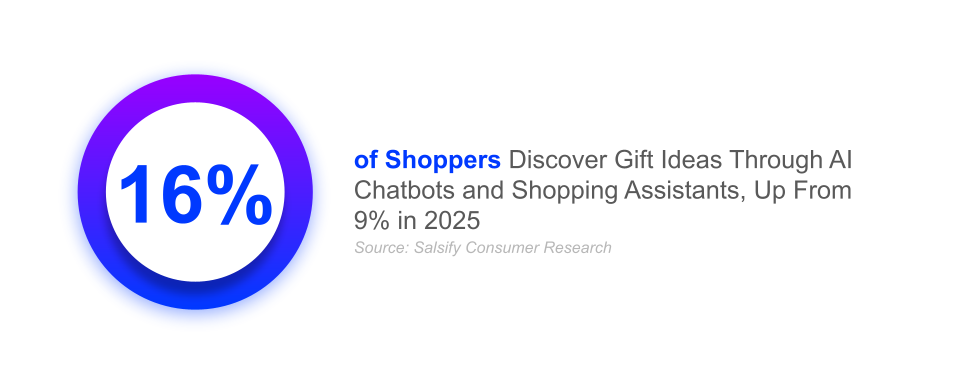
Sixteen percent of shoppers now discover gift ideas through AI chatbots and shopping assistants, up from 9% in 2025, and 51% of U.K. shoppers say AI tools would improve their holiday shopping experience. That number will only grow.
What this means practically is that your product content needs to work across all three shelves: physical, digital, and agentic. A product detail page that's optimised for a human browsing Amazon also needs to be structured clearly enough for an AI agent to read, interpret, and recommend.
Localization Is the Product: How PXM Makes It Scalable
One common mistake global brands make with the U.K. market is treating it as a light-touch adaptation job. Same language, swap the spelling, done. But as this calendar shows, the nuances run much deeper than that. There are different holidays, different gifting traditions, and different shopper priorities in almost every vertical.
You don’t have to build an entire parallel operation, though. Modern product experience management (PXM) tools can automatically generate localized product content for different audiences, adapt PDPs for specific retailers (like national favorite John Lewis and Amazon U.K.), and translate across markets in a matter of minutes.
That infrastructure also prepares your content for the agentic shelf. More U.K. shoppers are turning to AI tools to discover and research gifts, so if your content is clean and consistent, you stand a better chance of showing up in the results.
And the same infrastructure that localizes for the U.K. scales to every other market you're in or planning to enter.
The UK Market Is Ready. Are You?
The U.K. represents a genuine growth opportunity for global brands, and the “2026 Holiday Pulse Report” data backs that up.
But to do it justice, you have to treat the market with the same care and specificity you’d bring to any other strategic expansion. That means planning around the actual U.K. calendar, speaking to what U.K. shoppers genuinely value, and showing up with content that feels relevant to their seasons and traditions.

Executive Summary: Insights Into UK Holiday Shoppers
Want the inside scoop on what has U.K. shoppers chuffed this holiday season? Download this executive summary with specific intel on the U.K. market from the "2026 Holiday Pulse Report."
DOWNLOAD SUMMARY.svg)
