
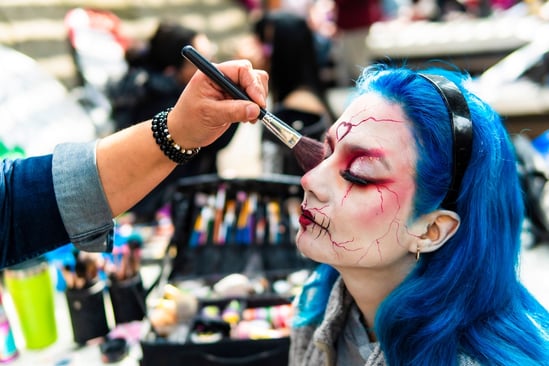
Face paint, glitter, a vial of fake blood, and a villainous lipstick shade are, in most cases, a hard pass in July, but quickly become must-haves by the end of October.
Halloween makeup isn’t a small part of the big day; it’s often a huge part of the costume itself. For makeup enthusiasts, that makes it the single biggest creative outlet of the year. For beauty brands and retailers, that makes it one of the most engaged, high-visibility shopping windows on the calendar.
Here’s a look at what's driving that demand and how big beauty brands are using collaborations, promotions, and seasonal products to turn spooky-season scrollers into buyers.
Halloween Makeup Is Now Its Own Category
NRF data shows 71% of Halloween shoppers planned to buy costumes last year, spending a record $4.3 billion on them, and increasingly, elaborate makeup and face paint are doing the heavy lifting.
When it comes to Halloween makeup looks, a tube of SFX face paint and a well-executed tutorial can create a full look for a fraction of the cost of a licensed costume, which makes cosmetics one of the most flexible, accessible entry points into Halloween spending.
Numerator's “2026 U.S. Annual Holiday Preview” found Halloween is one of the few holidays people plan one to two months in advance, well outside the one-to-two-week window most holidays get.
Numerator also found Halloween ties with Christmas as the holiday consumers put the most effort into celebrating, with 18% of consumers rating their Halloween celebration a five out of five. For a beauty brand, that's a long runway and a highly motivated shopper on the other end.
This mirrors a pattern we've already seen play out earlier in the season. Summerween shopping showed that the most devoted Halloween fans don't wait for October; they start hunting for products in July.
Seasonal Makeup Looks: How Beauty Brands and Retailers Can Lean Into Halloween
Here's how brands are turning this demand into sales, backed by real examples of brands putting it into action.
1. Limited-Edition Collabs and Licensed IP
Nothing manufactures urgency and shareability quite like a collaboration shoppers have been waiting for.
ColourPop has built an entire seasonal playbook around this, and it's a good illustration of why recognizable IP tends to outperform generic "spooky" branding: A pumpkin-orange palette is fine, but a palette built around a horror movie villain or a beloved animated character comes with a built-in audience who already feel some kind of way about it.
The brand’s Haunted Mansion x Disney collection has been popular enough to earn a repeat release, coming back in stock and expanding into Target on top of its original online launch.
ColourPop has done the same with “Hocus Pocus 2,” timing an eyeshadow palette and themed products to the film's streaming release and naming shades after key moments in the movie ("Find the Book," "29 Years") to reward fans who know the reference.
The takeaway: You don’t need to reinvent a recurring, well-loved collaboration every year. Focus on re-releasing a previous collaboration with something new so shoppers can justify another purchase, and look to expand into more retail channels each time.
e.l.f. Cosmetics Participated in an Unexpected Collab
e.l.f. Cosmetics took a different route with its "Corpse Paint" collection, an unexpected mashup with the beverage brand Liquid Death.
The goth-themed line leaned into bold, limited-time-only products shoppers probably won't wear the other 11 months of the year. With the help of influencers like Julia Fox, the line sold out in 45 minutes and drove a triple-digit lift in traffic to e.l.f.'s website.
Even better, 68% of people who bought it were new to the brand.
The takeaway: An unconventional collaboration partner, chosen for cultural relevance rather than category logic, can do wonders for new-customer acquisition.
2. Influencer and Creator Partnerships
Halloween makeup looks can be inherently a "watch me do this!" category. It’s very much a tutorial-driven space, which makes creator partnerships a natural fit.
NYX has done this with Mimi Choi for five years in a row. The SFX makeup artist is the perfect fit for the spooky season, as her entire platform is built on dramatic transformations that Halloween shoppers love to create.
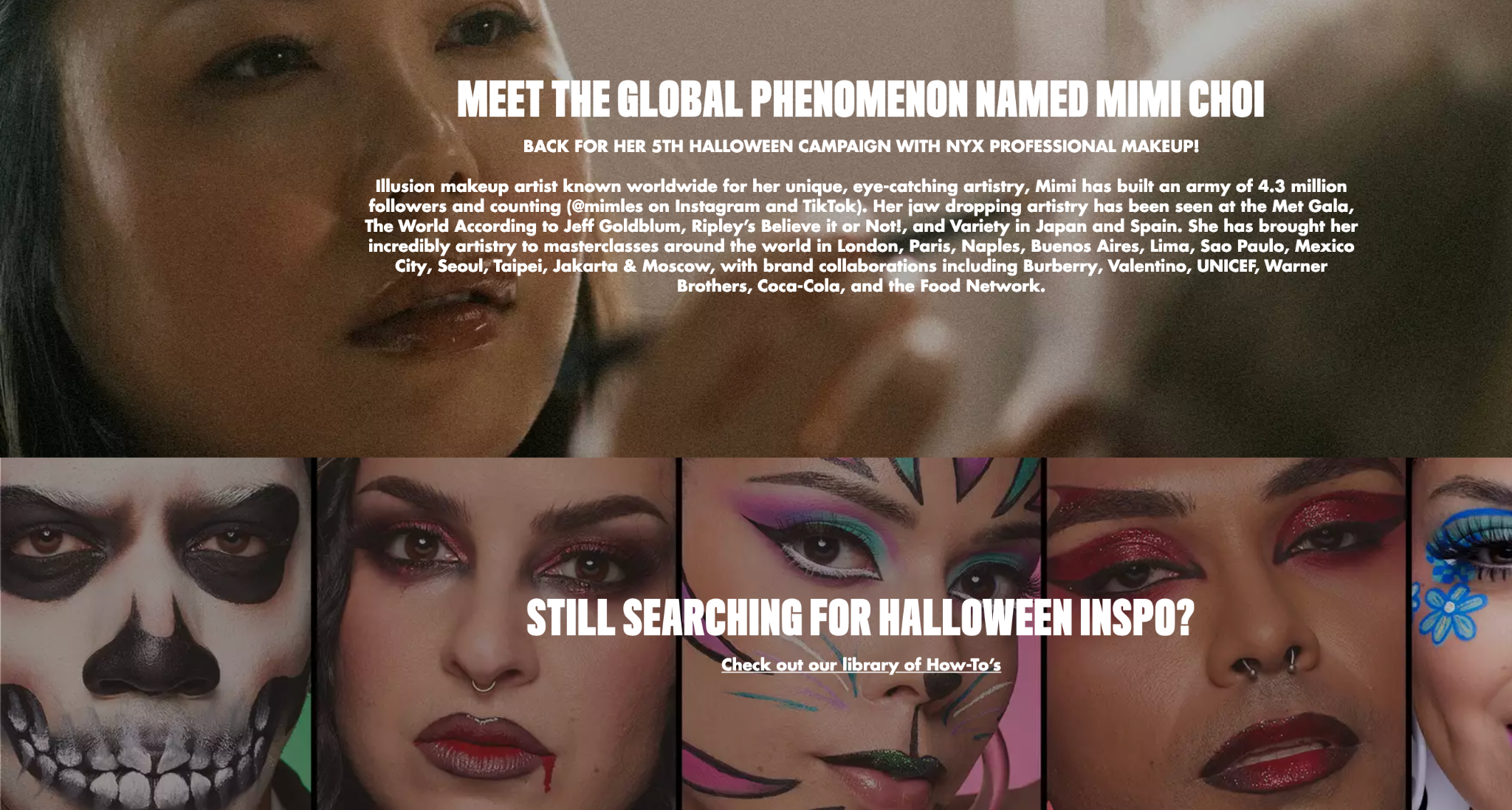
Image Source: NYX
MAC Cosmetics' #MACHalloween campaign skipped the polished ad entirely and instead invited its community, from casual fans to professional makeup artists, to post their own looks under the hashtag.
It also published a series of how-tos on its website that link directly to the relevant products. The brand backed it up offline too, running in-store demos and Halloween "look bars" where visitors could get their look done by a pro.
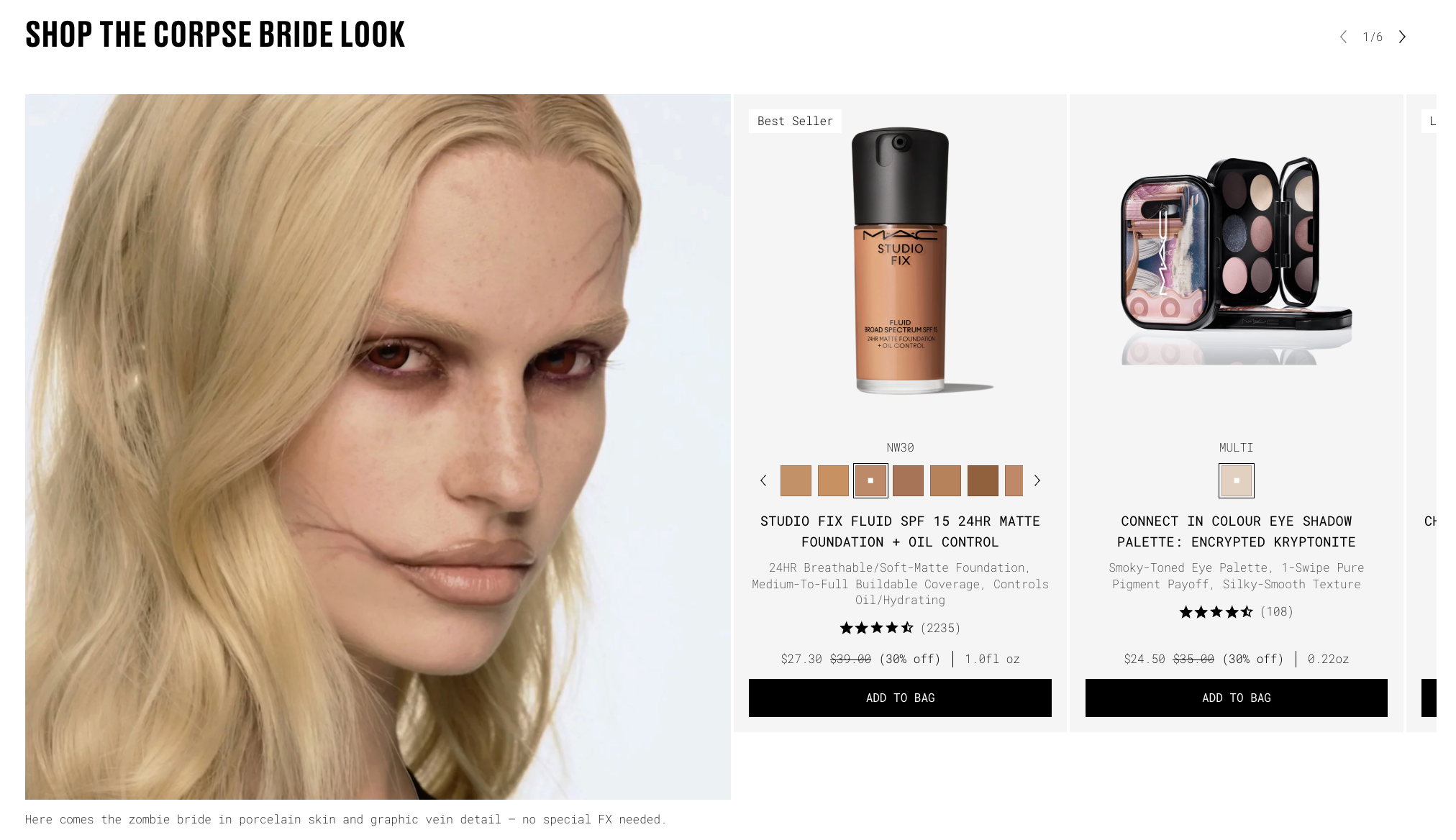
Image Source: Mac Cosmetics
The takeaway: Choosing the right creator for your products is key. You want someone whose skill set matches what your product is for and who has an audience that will appreciate what your products can do.
3. Seasonal Product Drops and Reimagined SKUs
Not every brand needs a licensed partner to win Halloween. NYX Professional Makeup's SFX Face & Body Paint line is a standalone seasonal product built specifically for Halloween use, sold across a wide bench of retailers.
Performance-led brands are also finding a Halloween angle without launching anything new at all. Maybelline's Halloween campaign is built around the tagline "Make-up made to survive every horror," and uses the season's tone to spotlight the brand's existing long-wear and waterproof formulas rather than introducing a new, limited-edition product.
The takeaway: You don’t need to develop a brand-new SKU for Halloween. You can use a seasonal campaign to reframe the core benefit of an existing product (e.g., long-wear makeup that survives a night of dancing and sweating in a costume).
4. Content and PDP Readiness
This is where the strategy connects directly to the digital shelf. A Halloween look lives or dies on its content. For example, when a beauty influencer showcases the CoverGirl x Stranger Things palette, shoppers are going to search for that exact product days or weeks before Halloween.
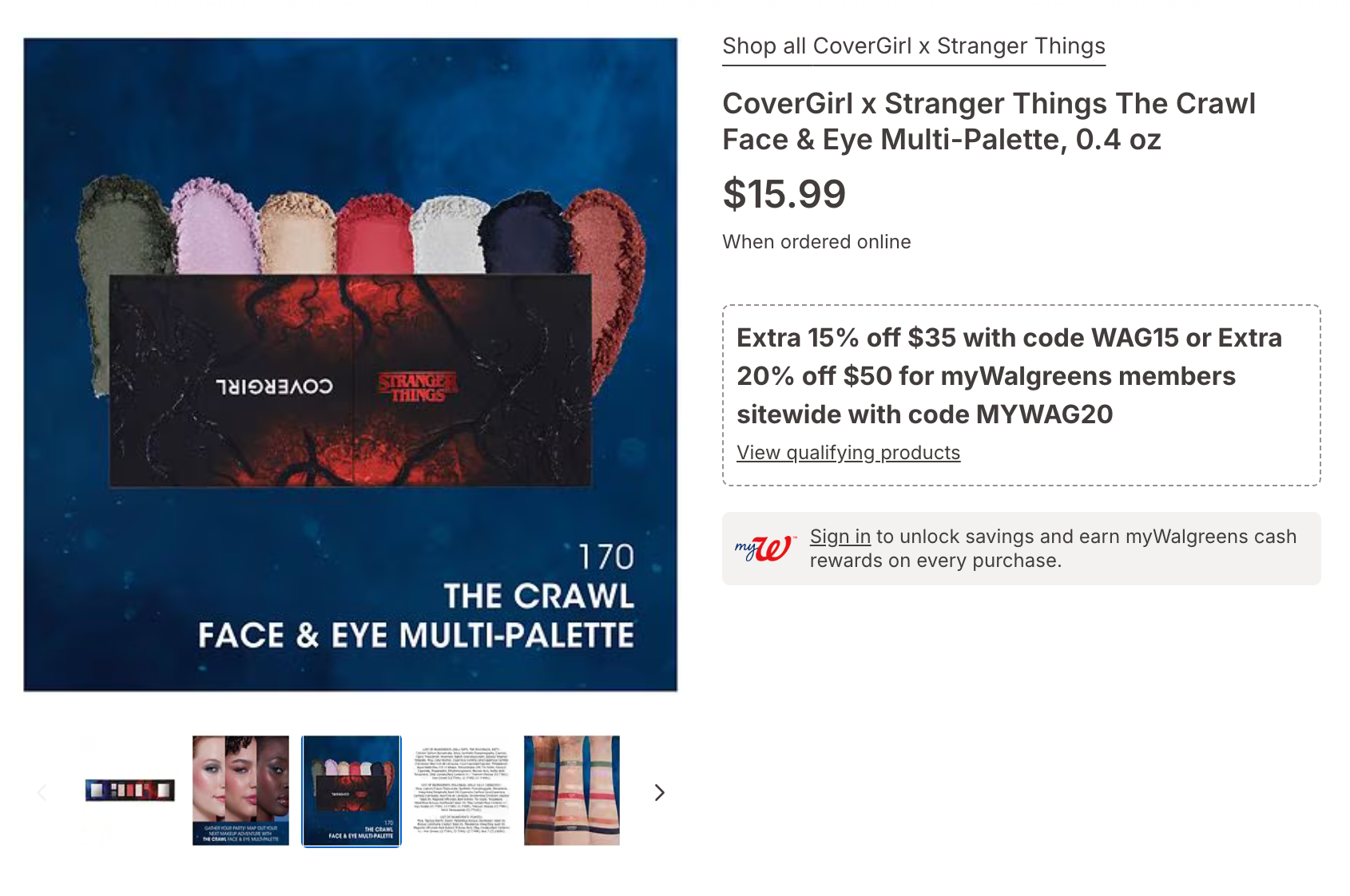
Image Source: Walgreens
If the product page they land on doesn't match what they saw (different shade names, missing imagery, inconsistent info across the retailers they check), that can put shoppers off.
The same speed, specificity, and consistency framework that applies to Summerween décor applies here, arguably even more so, since makeup shoppers are actively trying to match a tutorial to a real product:
- Speed: Get Halloween-specific shade names, imagery, and copy live and syndicated across every retailer before the search volume peaks in early-to-mid October.
- Specificity: Skip generic “spooky season” copy in favor of the details shoppers are searching for, like shade names that match what's shown in tutorials, finish descriptions, and wear-time claims for a night out.
- Consistency: Make sure the product a shopper sees on social matches, in name, imagery, and claims, what they find on the PDP, no matter which retailer they land on.
Halloween Is a Warm-Up for the Real Holiday Rush
Halloween makeup shoppers reward the same things holiday shoppers reward all season long: Early availability and content that actually matches the product.
According to Salsify's “2026 Holiday Pulse Report,” detailed, trustworthy product content is one of the biggest factors shoppers cite when deciding whether to act on a recommendation, whether that recommendation comes from a friend, an influencer, or an AI shopping tool.
Treat Halloween as a dress rehearsal for the bigger Q4 push. If your Halloween makeup content is fast, specific, and consistent everywhere a shopper might find it, you're already building a good runway for Black Friday and the rest of the holiday season.

2026 Holiday Pulse Report
Download Salsify’s latest consumer research for a deep dive into holiday shopper behavior, Black Friday trends, and spending predictions.
DOWNLOAD NOW.svg)
