
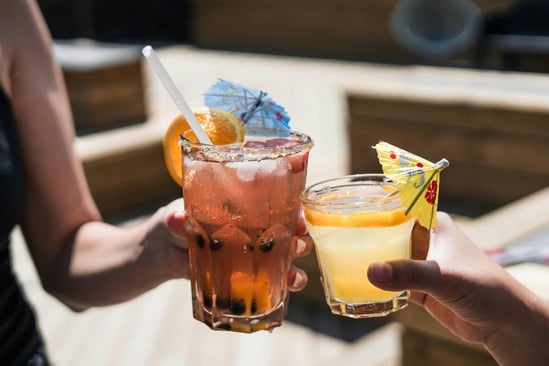
What began as a seasonal "Dry January" trend has matured into a permanent market shift, as sober-curious consumers seek out a high-end, hangover-free experience. For brands, this is a notable change in the digital shelf, where product transparency and lifestyle alignment are now the primary ingredients for loyalty.
In fact, consumers’ relationship with alcohol is starting to look less like Don Draper’s and more like a conscious, deliberate choice for special occasions.
According to research firm Circana, nearly 49% of Americans say they’re actively trying to drink less, while the U.S. has added tens of millions of no- and low-alcohol consumers in just the past few years.
And those attitudes are increasingly reflected in sales data. Non-alcoholic beer sales have surged 159% since 2021, according to the Brewers Association.
Alcohol purchases are even declining in the U.K., Salsify research found, while non-alcoholic categories continue to grow, according to research firm Mintel. In fact, more than half of U.K. adults have consumed a low- or no-alcohol drink in the past year.
Overall, the trends reflect a broader shift in how people approach their leisurely beverage of choice: They aren’t just drinking less, per se, just being more deliberate about when and why they drink at all. For food and beverage brands, there’s a huge opportunity to open the door to a fast-growing audience — if they’re ready to meet them on their terms.
What’s Changed About Consumers’ Relationship to Alcohol?
In many ways, the shift is tied less to short-term health goals in a metric-chasing sense, and more to a broader focus on day-to-day well-being. Cutting back is linked to better sleep, improved mood, and sharper cognition, and for many people, that’s more than enough reason to rethink when and where drinking actually makes sense for them.
There’s also been a change in social expectations. Declaring “I’m not drinking tonight” no longer leads to awkward silences in most social circles, especially with alcohol consumption now at record lows, according to Gallup.
But it’s worth noting that many of these consumers aren’t quitting the sauce entirely — just bringing some other beverage adventures into the mix in an attempt to cut back. This shift toward mindful drinking habits is backed by the numbers.
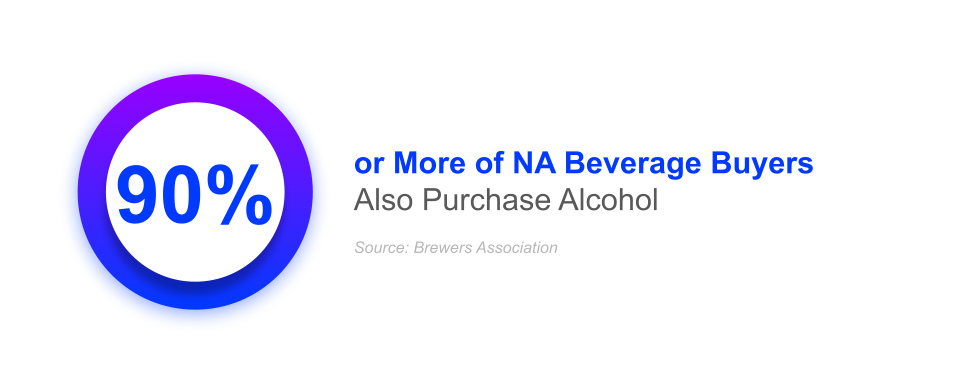
According to the Brewers Association, more than 90% of non-alcoholic beverage buyers also purchase alcohol. For those customers, a post-shift drink might turn into a non-alcoholic option on a weeknight, then back again on the weekend — or whatever approach works best for their needs.
What It Takes To Compete in NA Beverages: 3 Ways To Win
The growth in non-alcoholic beverages is creating opportunity, but also raising the bar in an environment where expectations continue to change. These aren’t impulse buys in the same way traditional drinks often are — shoppers want to understand what they’re getting, why it’s worth it, and how it fits into their routine.
1. Prioritize Product Transparency
For NA brands, what’s in the drink matters just as much as what’s not. Consumers are paying closer attention to ingredient lists, sourcing, and overall product quality. They’re carefully weighing that information before deciding which non-alcoholic products to try.
The brands that stand out, as usual, will be the ones that make those details easy to find and easy to trust.
2. Elevate the Experience With Non-Alcoholic Functional Beverage
The next layer is differentiation, especially in the fast-growing functional segment. Non-alcoholic functional drinks are built around adaptogens, nootropics, and botanicals. These drinks are increasingly positioned around specific outcomes like calm, energy, focus, presence, etc.
That creates a clearer value proposition, but it also raises expectations. If a product is going to promise a benefit, it has to deliver on both taste and experience.
3. Master the Omnichannel Journey
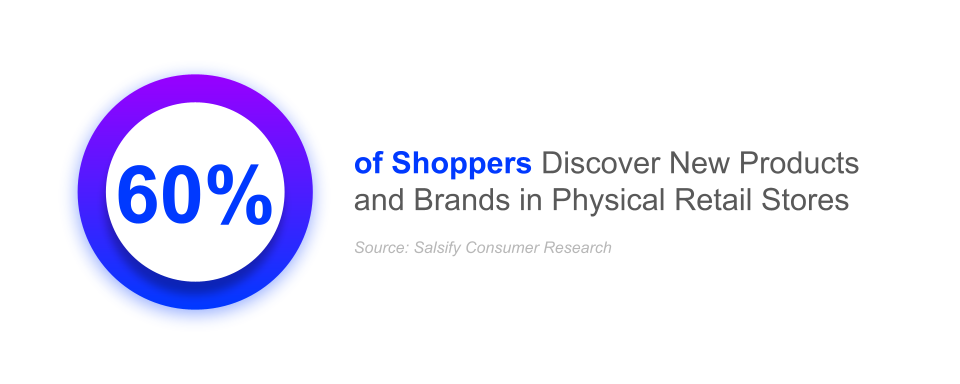
Finally, it’s important to remember that discovery and decision-making are now split across channels. Salsify’s “2026 Consumer Research” report found that 60% of shoppers discover new products in physical retail stores, but 43% use their smartphones to research products while in-store.
While presence may get you noticed, product content — clear descriptions, consistent information, and credible reviews — will often be the deciding factor when it comes to turning interest into a purchase.
Ultimately, brands will need to make their NA offerings differentiated, easy to research, and trustworthy, wherever shoppers may happen to find them.
How Brands Can Get Brewing
Unlike the kind of “catch-all” marketing of alcohol, non-alcoholic beverages are typically “brewed” to be paired with specific kinds of occasions.
Provide Context for Enjoyment
As mentioned above, some are designed for winding down after work, others for social gatherings, and others for everyday, functional use.
As such, it’s critical for brands to clearly express where, when, and why their product will fit into a customer’s routine. Keeping that perspective in mind can sharpen everything from positioning to product content to channel strategy.
Mix in Transparency
Ingredient storytelling also becomes essential. Shoppers, especially younger ones, are paying close attention to what’s in the product and why it’s there.
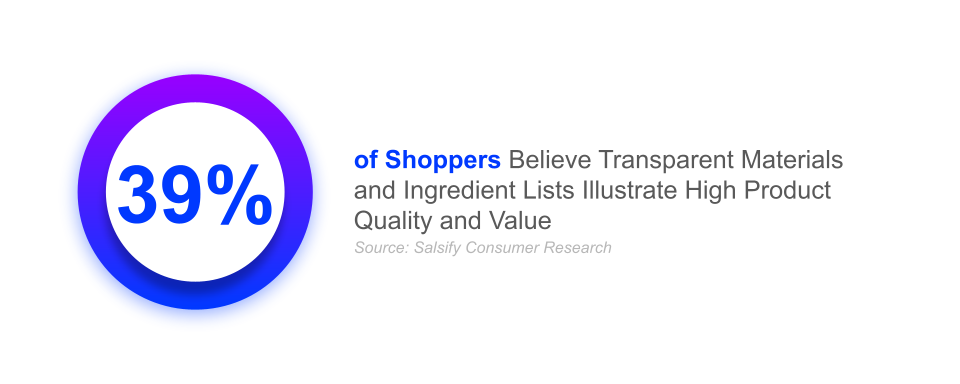
In fact, 39% of shoppers say that transparent ingredient and materials lists make them consider a product to have high quality and value, and as many as 42% of millennials, according to Salsify research.
 Maintain clear explanations of ingredient origins, flavor profiles, and functional benefits that can help remove uncertainty, while giving shoppers a reason to try something new.
Serve Shoppers’ Social Side
As you can probably imagine, social often plays an outsized role in the discovery process. Many NA brands have built awareness through platforms like TikTok and Instagram before expanding into retail.
- For example, brands like Mingle Mocktails offer unique drink recipes and other activity “pairings” for their offerings.
- Others, like Kin Euphrics, take a lifestyle marketing approach, including influencer partnerships and short-form content focused on what can best be described as the beverage’s aspirational “vibes.”
That dynamic reflects, in particular, how younger consumers shop today: social media is the No. 1 discovery channel for Gen Z (73%) and millennials (67%), according to Salsify research.
In practice, the playbook is straightforward: Define the occasion, explain the product clearly, build trust through transparency, and show up wherever shoppers are looking.
Keeping Customers Satisfied, Despite Changing Tastes
The non-alcoholic beverage category has moved beyond niche, trendy status into something more durable. The brands seeing the most success aren’t just removing alcohol and calling it a day, but adding meaning, function, and a clearly defined role in their customers’ lives.
Whether you’re an established food and beverage player or a new entrant, the fundamentals are the same: Focus on quality, make your product easy to understand, and meet shoppers with consistent, trustworthy content across all shelves.

2026 Consumer Research Report
Explore Salsify’s latest consumer research to dive into the latest trends across the buying journey, including what drives loyalty or dissuades trust.
DOWNLOAD NOW.svg)
