

For years, selling on Amazon meant bracing for impact. You would spend weeks perfecting your brand messaging, only for an unauthorized third-party seller or a rogue algorithm to overwrite your data, dilute your content, and hijack your traffic.
Amazon is finally changing the rules of engagement.
Earlier this month, Amazon made a massive update to how it handles product listings. According to The Information, an industry report from consumer journalist Ann Gehan, Amazon is rolling out a new program called Brand Elevation.
The program gives big brands priority over independent merchants in how their products are described on the site. Historically, Amazon's systems decided which seller's product data to display — meaning brands could lose control of their own product names, descriptions, and images to third-party resellers.
Brand Elevation flips that: If a brand opts in, its data gets the highest priority rating on the product detail page. Amazon also tightened the rules as of June 1, barring any seller from creating new catalog entries for a branded product unless the brand itself has authorized them through Amazon's Brand Registry.
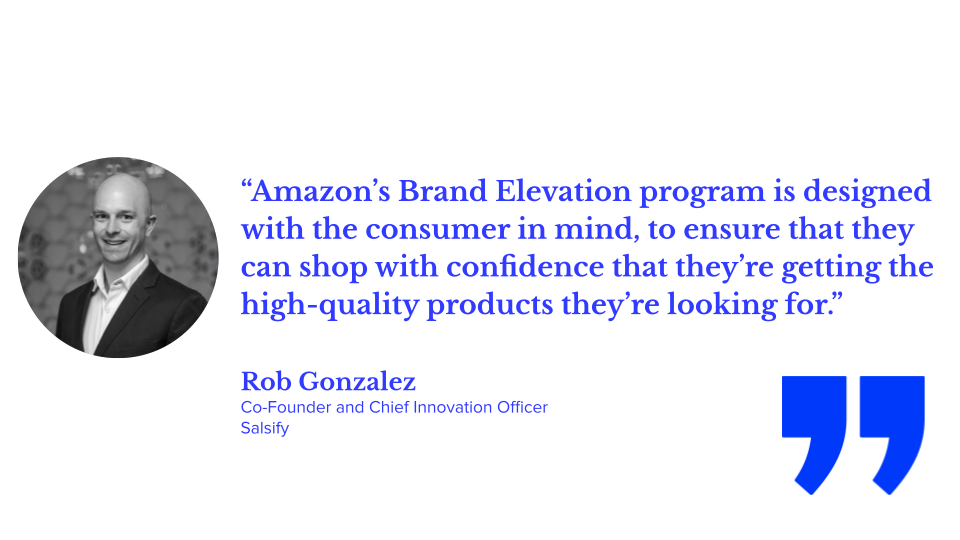
“Amazon’s Brand Elevation program is designed with the consumer in mind, to ensure that they can shop with confidence that they’re getting the high-quality products they’re looking for,” says Rob Gonzalez, co-founder and chief innovation officer at Salsify.
To help you navigate the changes, here are the five key takeaways from Amazon's new playbook.
1. Brand Data Is Now Supreme (Goodbye, Catalog Errors)
Historically, if multiple sellers submitted data for the exact same item, Amazon's backend algorithm randomly decided which description won. The Brand Elevation program will now give brands a "competitive advantage on the detail page" and "eliminates catalog errors" caused by rogue third-party data overriding your official copy.
In other words, your brand data gets a higher priority rating, meaning your accurate content actually stays on the page.
The potential catch: Access to this program currently appears limited to brands and sellers that pay Amazon additional fees for a dedicated account manager. Beyond that requirement, Amazon says the program itself isn’t a paid program.
2. Your Content, Your Call
There’s no point in investing time and budget into building beautiful, conversion-driving Amazon A+ Content if an unauthorized reseller can simply overwrite your titles, hijack your imagery, and tank your conversions.
Amazon's new priority rating ensures that when you put in the work to dress up your product detail pages (PDPs), your official content is actually what the shopper sees.
3. Unauthorized Sellers Are Blocked From Creating Listings
Effective June 1, 2026, Amazon began blocking wholesale suppliers and third-party (3P) sellers from creating new listings for branded items unless the brand has explicitly approved them through the Amazon Brand Registry.
In the past, unauthorized resellers could change catalog entries for your items by tweaking colors, sizes, or creating bundles. A strict new policy blocks this loophole. Sellers can no longer create new catalog entries for branded items unless the brand has explicitly "designated them as an authorized reseller through Amazon's Brand Registry system."
4. The Fight for the Buy Box Is Tilting in Your Favor
An overwhelming 98% of all Amazon sales happen through the Buy Box. Rogue resellers frequently list your items with lower prices or bad content. Now, Amazon is restricting independent sellers from creating duplicate listings. By giving your data priority, you have a much cleaner, fairer shot at capturing and maintaining Buy Box ownership.
5. Defensive Enrollment Is No Longer Optional
If you're not managing your Amazon presence, someone else is — and they don't answer to you. Unauthorized sellers routinely undercut prices and publish inaccurate product data, and every bad listing erodes shopper trust in your brand.
Salsify’s “2026 Consumer Research” report shows this chaos has real-world consequences: 38% of shoppers have abandoned an online purchase because product content was inconsistent across channels.
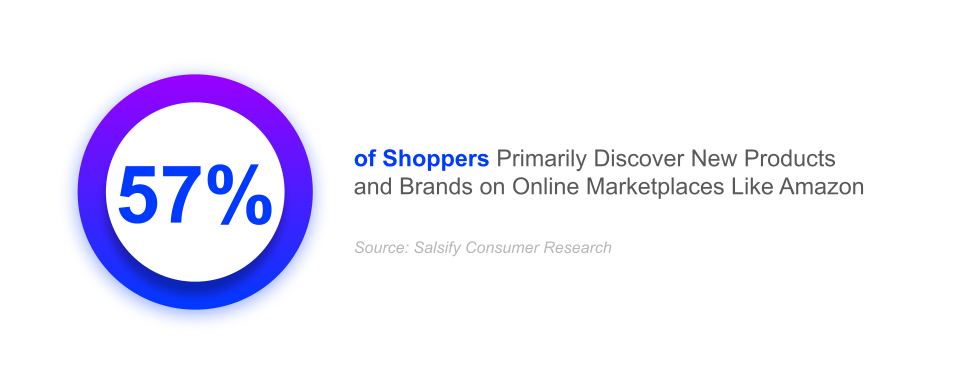
Treating the platform as optional is no longer viable. You have to meet shoppers where they are, and Salsify data shows that 57% of consumers turn to online marketplaces like Amazon as their primary destination to discover new products.
According to analysts quoted in The Information report, brands can no longer afford to sit on the sidelines. They’re finally realizing they must be on Amazon to control the channel, whether they choose to sell there directly or let someone else do it for them.
PXM: Future Strategies for Brands
Even strict direct-to-consumer (D2C) brands are now launching official storefronts because Amazon’s new framework is the ultimate tool to protect brand equity from bad data. Making product experience management (PXM) a foundational practice is essential to drive growth on the digital shelf and agentic shelf.
“Amazon built Brand Elevation to capture more of what shoppers already spend — and the path there runs through big brands,” Gonzalez adds. “Giving brands control over their product content is the price of admission for making Amazon the default destination, not just the convenient one. But that only works if your data is actually ready — accurate, contextualized, and optimized before it hits Brand Registry.”

Playbook: Mastering the Agentic Shelf
Download Salsify’s latest whitepaper, “Mastering the Agentic Shelf: A PXM Playbook for AI-Fueled Growth,” for a deep dive into what it takes to win in the new three-shelf reality.
DOWNLOAD NOW.svg)
